
Overview
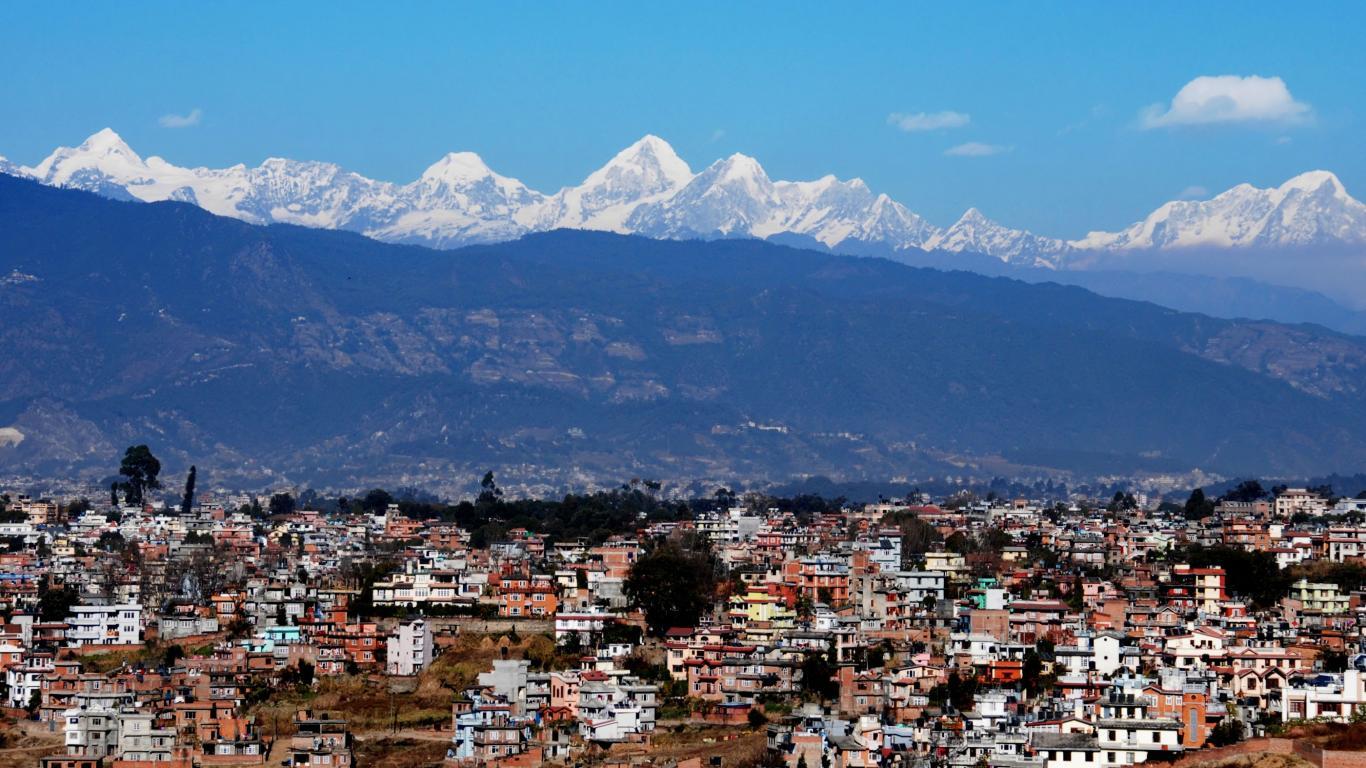
Kathmandu, Nepal’s capital, is set in a valley surrounded by the Himalayan mountains. Kathmandu is and has been for many years the centre of Nepal’s history, art, culture, and economy. At the heart of the old city’s mazelike alleys is Durbar Square, which becomes frenetic during Indra Jatra, a religious festival featuring masked dances.
Itinerary
Upon arrival at Kathmandu Airport, you will be warmly welcomed by our office representative and transferred to your hotel. Kathmandu, the capital city of Nepal, is the political, cultural, and historical heart of the country. The vibrant Kathmandu Valley is home to ancient temples, bustling markets, and rich cultural heritage, with the modern urban area mainly comprising the historic cities of Kathmandu and Patan.
After a short period of relaxation at the hotel, proceed for a sightseeing tour focused on Nepal’s rich Hindu culture with a visit to the sacred Pashupatinath Temple. Located on the banks of the holy Bagmati River, around 5 kilometers northeast of Kathmandu city, Pashupatinath is one of the most important and revered Hindu temples dedicated to Lord Pashupatinath, an incarnation of Lord Shiva. The temple is a major spiritual center where holy sadhus and devotees gather for prayers and rituals.
Recognized as a UNESCO World Heritage Site since 1979, the Pashupatinath Temple complex is an extensive and spiritually significant area featuring centuries-old temples, ashrams, inscriptions, and sacred shrines spread along the banks of the Bagmati River. The peaceful atmosphere, spiritual energy, and cultural importance of this holy site make it one of the most remarkable attractions in Nepal. After the visit, return to the hotel for an overnight stay in Kathmandu.
Drive to Pokhara, a beautiful city located approximately 210 kilometers from Kathmandu, which takes around 7 hours by road. Nestled at an altitude of 2,352 feet, Pokhara is known for its breathtaking natural beauty and offers splendid Himalayan views from the hotel during clear weather. En route, travelers have the option to enjoy thrilling river rafting activities or visit the famous Manakamana Temple, known as the “Goddess of Fulfilling Wishes.” The temple can be reached through an exciting 10-minute cable car ride offering scenic views of the surrounding hills and valleys.
Upon arrival in Pokhara, proceed for local sightseeing beginning with a visit to the sacred Bindebasini Temple, one of the oldest temples in Pokhara that once belonged to the Kaski Kingdom. The temple is dedicated to Goddess Durga, whose idol was brought from India. Apart from its spiritual importance, the temple offers a peaceful atmosphere along with stunning Himalayan views on clear days. Since the temple is located in the heart of the old bazaar area, visitors can also explore the traditional local market nearby.
Later, visit the famous Devi’s Fall, also known as Patale Chango, a spectacular waterfall located around 2 kilometers southwest of Pokhara. During the monsoon and summer seasons, the waterfall becomes especially mesmerizing with powerful streams of water flowing through rocky formations. Just opposite Devi’s Fall lies the popular Gupteshwor Cave, a sacred cave known for its impressive limestone formations and natural rock structures. Photography inside the cave is strictly prohibited. After a day filled with sightseeing and exploration, return to the hotel for an overnight stay in Pokhara.
Early in the morning, proceed for an excursion to Sarangkot, one of the most popular tourist destinations near Pokhara, famous for its breathtaking sunrise views and magnificent Himalayan scenery. Located around 13 kilometers from Lakeside Pokhara at an altitude of approximately 1,592 meters, Sarangkot is considered the highest viewpoint in the region for witnessing spectacular sunrise views over the mountains. The drive from Pokhara to Sarangkot takes around 45 to 60 minutes and offers beautiful scenic landscapes along the way.
Sarangkot is widely admired for its panoramic views of the Pokhara Valley, Phewa Lake, and the majestic Himalayan ranges. On clear days, travelers can enjoy stunning views of the Annapurna Range, Machhapuchhre (Fishtail Mountain), and Dhaulagiri in the far west. The peaceful atmosphere and cool climate make Sarangkot a perfect spot for nature lovers and photographers. Adventure enthusiasts can also enjoy paragliding from Sarangkot, which is considered one of the best paragliding locations in Nepal due to its incredible mountain views and favorable flying conditions.
After enjoying the scenic beauty of Sarangkot, retrace the same route and drive back to Kathmandu. Upon arrival, transfer to the hotel and spend the rest of the day at leisure. Travelers may relax, explore local markets for shopping, or visit the casinos to try their luck and enjoy Kathmandu’s vibrant nightlife. Overnight stay at the hotel in Kathmandu.
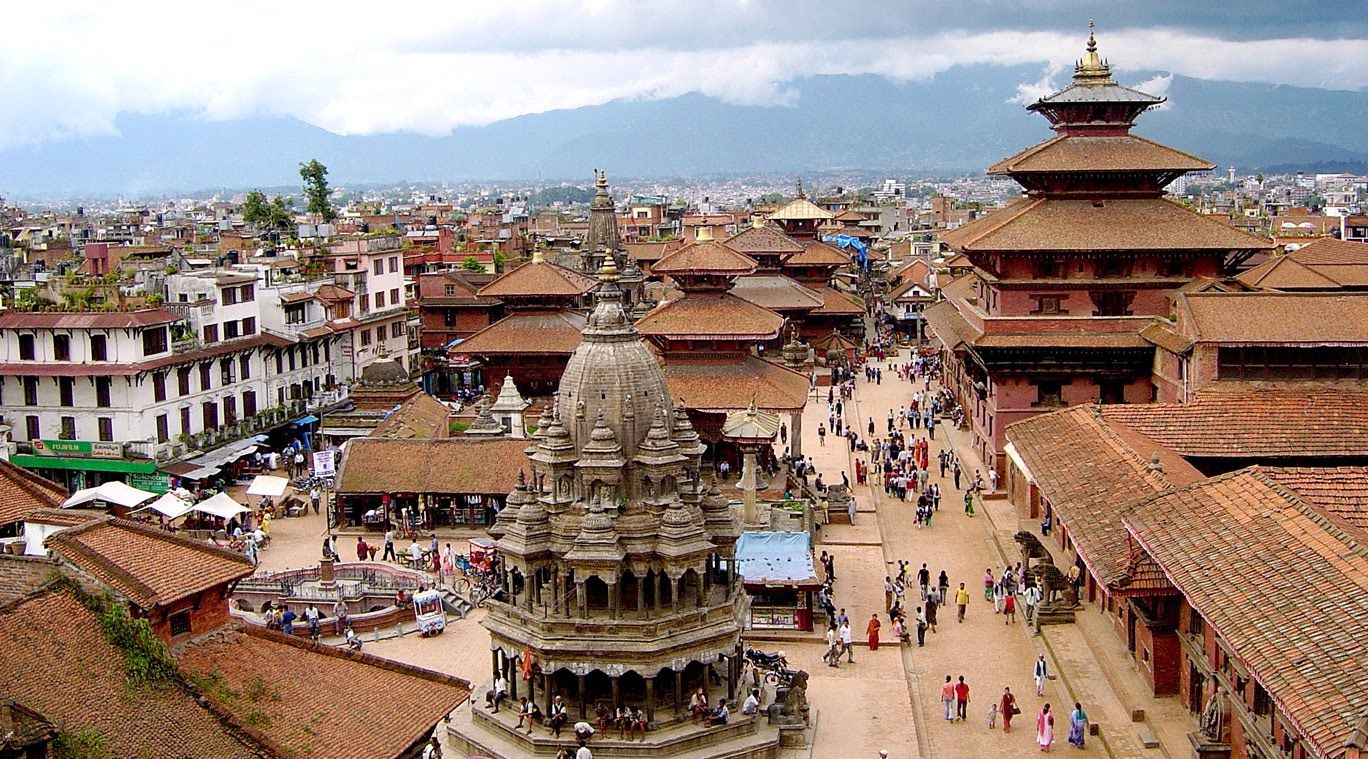
This morning, proceed for a sightseeing tour of Patan, also known as Lalitpur, the “City of Beauty.” Separated from Kathmandu by the Bagmati River, Patan is the second-largest city in the Kathmandu Valley and is renowned for its rich cultural heritage, ancient temples, and remarkable architectural masterpieces. The city is especially famous for Patan Durbar Square, an extraordinary architectural center filled with beautifully carved temples, courtyards, shrines, and historical monuments. The square has one of the highest concentrations of temples per square meter in the valley, making it a paradise for history lovers and cultural enthusiasts.
During the tour, you will also visit the Tibetan Refugee Center, home to a large Tibetan community residing in the valley. The center is well known for its traditional Tibetan handicrafts and high-quality handmade carpets, making it one of the best places for shopping authentic Tibetan carpets and souvenirs.
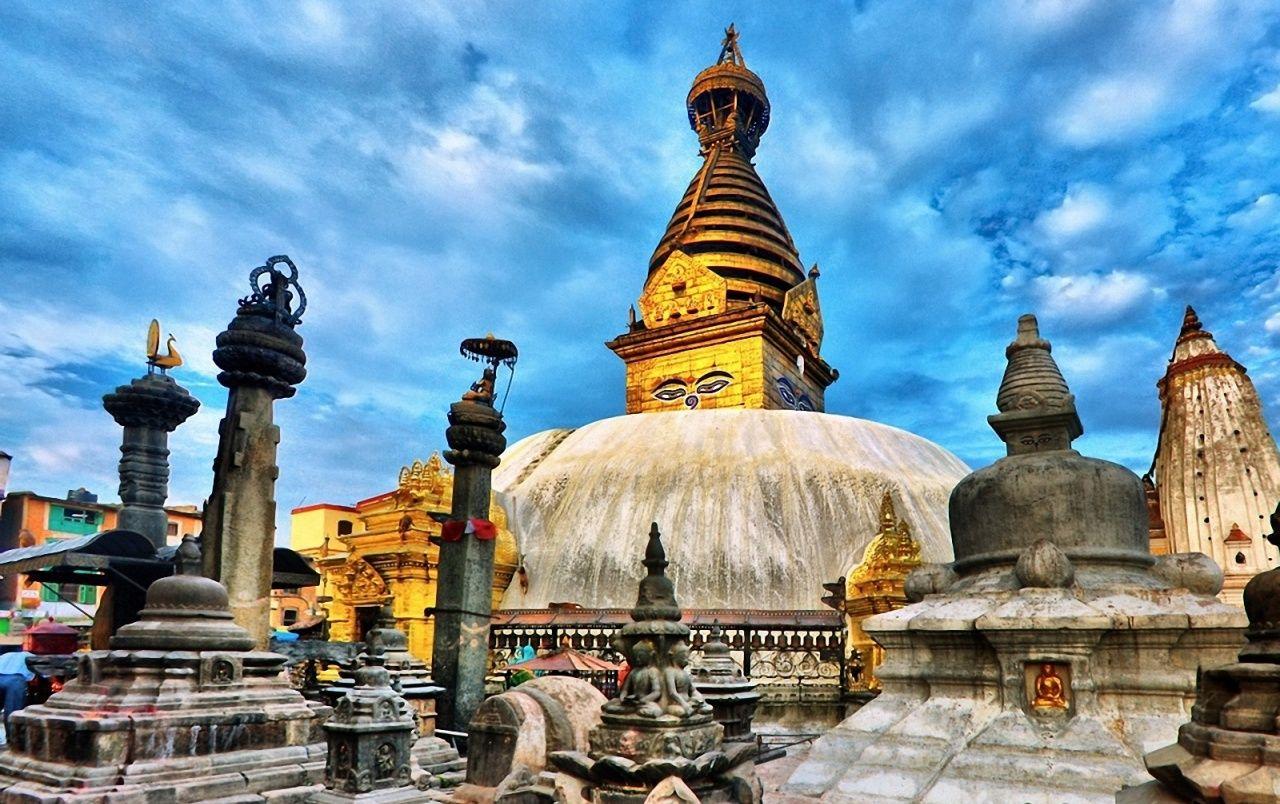
Later, continue towards the famous Swayambhunath Stupa, one of the oldest and most sacred Buddhist sites in Nepal. Popularly known as the “Monkey Temple,” Swayambhunath sits atop a hill overlooking the Kathmandu Valley and offers breathtaking panoramic views of the city. The golden spire of the 5th-century stupa is beautifully decorated with colorful prayer flags, while the iconic painted eyes of Buddha symbolize wisdom and compassion watching over the valley. The spiritual atmosphere, ancient shrines, and peaceful surroundings make Swayambhunath one of the most recognizable and important landmarks in Nepal.
After completing the sightseeing tour, you will be transferred to the airport in time to board your flight for your onward journey with unforgettable memories of Nepal’s cultural heritage, spiritual sites, and scenic beauty.
Frequently Asked Questions (FAQs)
The best time to visit Kathmandu is from March to May and September to November when the weather is pleasant, skies are clear, and sightseeing conditions are ideal.
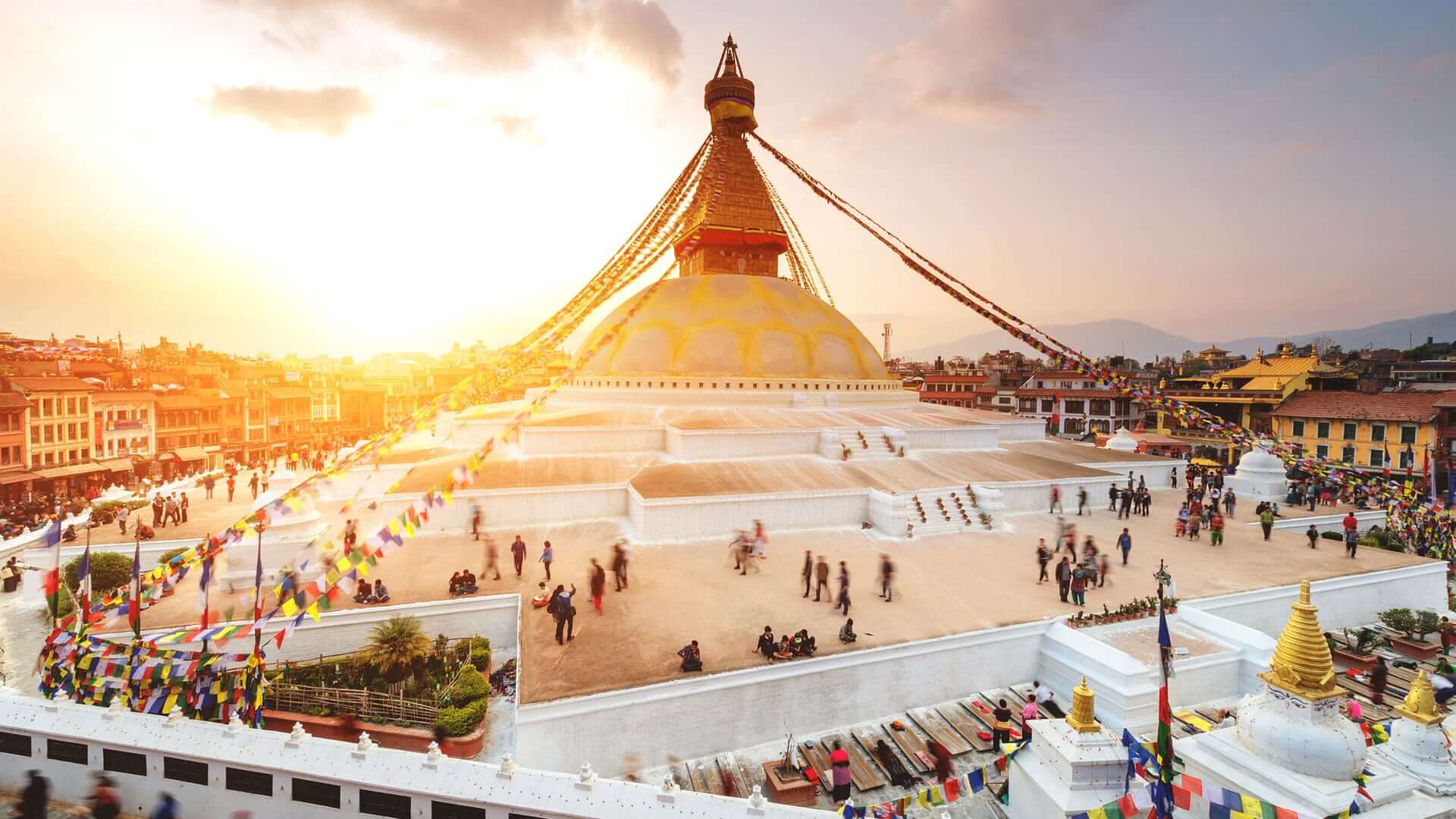
Yes, the package generally includes major sightseeing attractions such as Pashupatinath Temple, Boudhanath Stupa, Swayambhunath (Monkey Temple), and Kathmandu Durbar Square.
Indian citizens do not require a visa to visit Nepal. However, carrying a valid government-issued ID such as a passport, voter ID, or Aadhaar card is recommended for travel and hotel verification.
The package includes comfortable hotel accommodations with essential amenities for a relaxing and convenient stay in Kathmandu.
Yes, Kathmandu is perfect for families, couples, and honeymoon travelers due to its spiritual attractions, scenic beauty, cultural heritage, and peaceful atmosphere.
You should carry comfortable clothing, walking shoes, warm layers during winter, personal medicines, travel documents, and a camera to capture the beautiful landscapes and heritage sites.